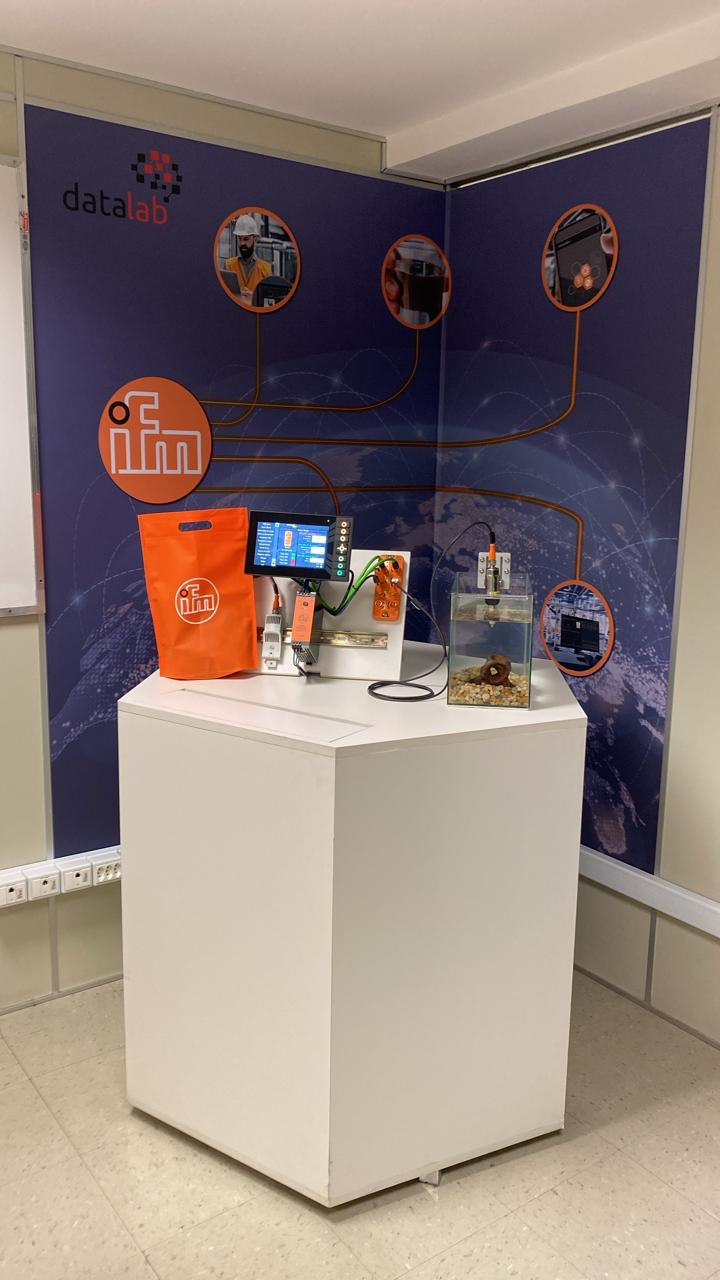
O laboratório está estruturado em duas grandes linhas de pesquisa, sendo essas Ciência de Dados e Métodos Analíticos. Na primeira linha é tratada de forma mais específica aplicação de técnicas de Inteligência Artificial, Aprendizagem de Máquina, Redes Neurais Artificiais, Mineração de Dados, Deep Learning e áreas afins. Na outra linha estão as pesquisas sobre métodos analíticos que contemplam Otimização, Meta-heurísticas, modelagem de processos e afins.
A grande maioria das pesquisas envolvem problemas reais e aplicados como dados acadêmicos, mídias sociais, Internet of Things (sensores), logística e outras. Trata também de métodos analíticos aplicados a problemas combinatórios complexos cuja solução, dependendo do porte do problema, pode se dar por métodos exatos ou por métodos heurísticos.
This article explores the broader context of these dynamics, examining how the "Ukhti" trend, regional festivals, and deep-seated cultural connections to Malaysia impact social issues in contemporary Indonesia. 1. The "Ukhti" Movement and Social Media Aesthetics
There is significant social pressure to project a "pious" image online, which sometimes leads to a disconnect between public persona and private life. Digital Shaming:
Para "Ukhti" dan "Akhi" di era modern hidup dalam tarik ulur antara mempertahankan nilai-nilai tradisional dan mengikuti arus globalisasi. Sebuah studi tentang identitas pemuda muslim urban mengungkap bahwa mereka terus-menerus melakukan negosiasi dalam memaknai modernitas. "Meki" di sini bisa diartikan sebagai simbol "pemberontakan" terhadap kemapanan dakwah yang dianggap terlalu kaku, sekaligus representasi dari kefrustrasian generasi muda terhadap disparitas antara idealisme agama dan realitas sosial.
The sociology behind the ( Hijrah ) among Southeast Asian youth. Share public link
Indonesian culture is characterized by:
Every time a netizen clicks on a folder labeled "Malay Ukhti," they are not just looking at a Meki . They are looking at the soul of a nation that has forgotten the meaning of rahmah (compassion).
The "Malay Ukhti Meki" phenomenon—when deconstructed—highlights a intersection of social media trends, intense national pride in cultural heritage, and shifting legal landscapes.
The broader contextual framework involving public morality, digital censorship, and regional identity.
This article explores the broader context of these dynamics, examining how the "Ukhti" trend, regional festivals, and deep-seated cultural connections to Malaysia impact social issues in contemporary Indonesia. 1. The "Ukhti" Movement and Social Media Aesthetics
There is significant social pressure to project a "pious" image online, which sometimes leads to a disconnect between public persona and private life. Digital Shaming:
Para "Ukhti" dan "Akhi" di era modern hidup dalam tarik ulur antara mempertahankan nilai-nilai tradisional dan mengikuti arus globalisasi. Sebuah studi tentang identitas pemuda muslim urban mengungkap bahwa mereka terus-menerus melakukan negosiasi dalam memaknai modernitas. "Meki" di sini bisa diartikan sebagai simbol "pemberontakan" terhadap kemapanan dakwah yang dianggap terlalu kaku, sekaligus representasi dari kefrustrasian generasi muda terhadap disparitas antara idealisme agama dan realitas sosial.
The sociology behind the ( Hijrah ) among Southeast Asian youth. Share public link
Indonesian culture is characterized by:
Every time a netizen clicks on a folder labeled "Malay Ukhti," they are not just looking at a Meki . They are looking at the soul of a nation that has forgotten the meaning of rahmah (compassion).
The "Malay Ukhti Meki" phenomenon—when deconstructed—highlights a intersection of social media trends, intense national pride in cultural heritage, and shifting legal landscapes.
The broader contextual framework involving public morality, digital censorship, and regional identity.
+55 11 98456-3218
Prof. Anderson Borba
(11) 2114-8301
FCI — solicite ramal 7372