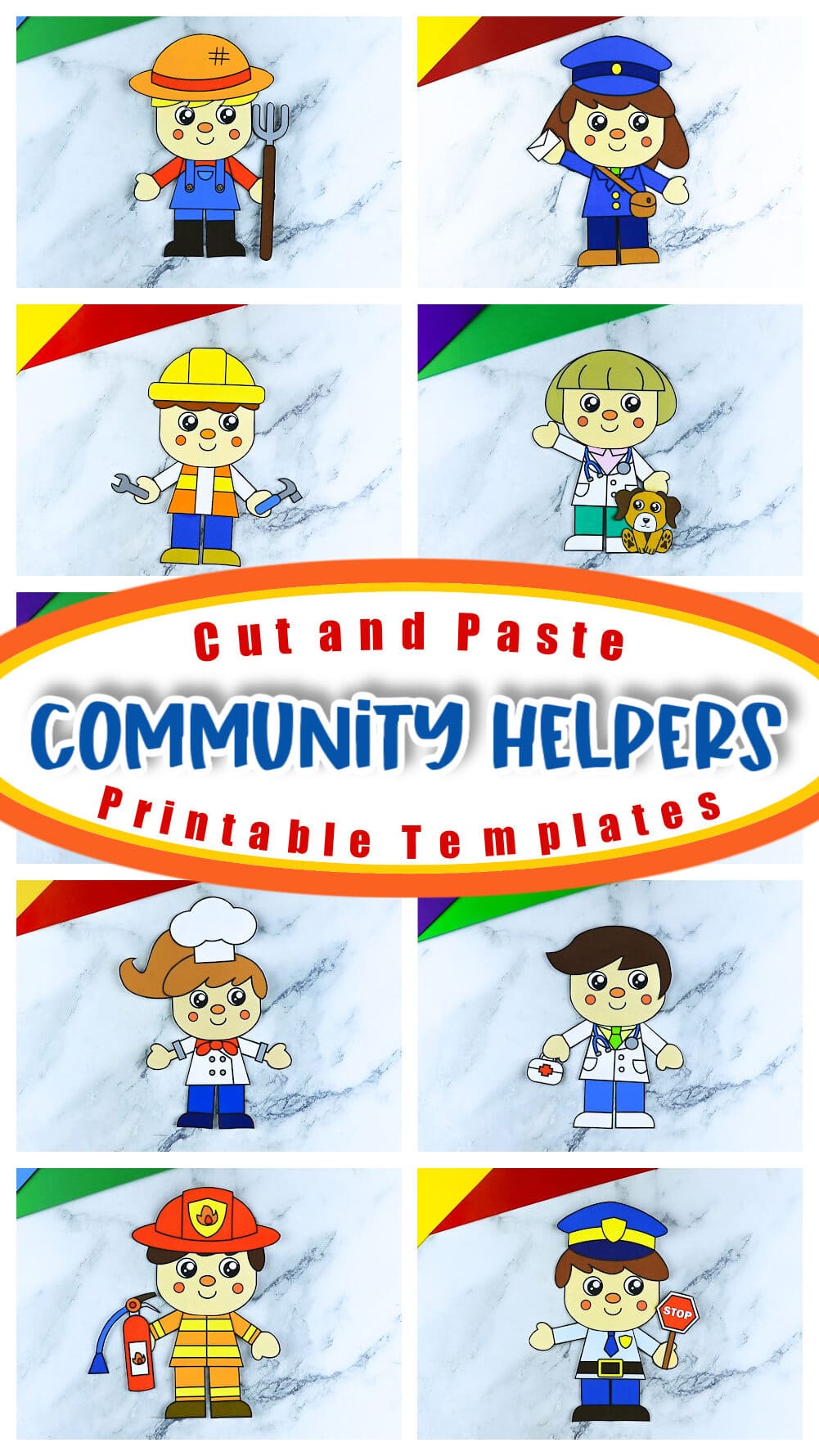
10+ Community Helper Crafts for Kids (Free Printables + Easy Activities)
Fotos Purenudism Best |best| ★ Direct Link
Research and anecdotal evidence suggest significant mental health benefits for those who practice social nudity:
<h2>📜 A Visual History: How Photography Shaped Nudism</h2> <p>From its earliest days, the naturist movement recognized the power of the image. Photography was not just an art form; it was a vital tool for advocacy and community building. In the 1920s and 30s, nudists in Europe and America turned to the camera to visually argue their case, showcasing the health, joy, and wholesomeness of their lifestyle to an often incredulous public. "Unadorned bodies were the central campaigning tool of British naturism's photographic propaganda," as one historical account notes, using images to draw attention to the cause and drive publication sales, even in the face of public opprobrium.</p> <p>These early photographs were a form of activism. They depicted families hiking, playing sports, and relaxing in nature. Far from the polished, stylized nudes of fine art, these images had a specific purpose: to normalize the naked body and demonstrate the moral and physical benefits of the lifestyle. The visual culture of this era provides a fascinating microcosm of changing perspectives on health, sex, and the human form. Institutions like the Museum of European and Mediterranean Civilisations (MUCEM) have held major exhibitions, such as <em>Paradis Naturistes</em>, featuring over 600 photographs, films, and everyday objects to trace this history and challenge the perception of naturism as merely a practice of nudity, instead presenting it as a holistic philosophy connected to well-being.</p>
Baring it all means confronting personal insecurities head-on. Acknowledging that everyone has imperfections helps ease this transition. How to Get Started Safely fotos purenudism best
The concept of "fotos purenudism best" is a multifaceted one. It speaks to a deep respect for the human body, a profound connection to nature, and the technical skill to capture both in a single frame. At its best, purenudism photography is a powerful artistic and philosophical statement. It champions authenticity over artifice, consent over exploitation, and the simple beauty of everyday life over the artificial allure of a constructed pose. It is a celebration of freedom, body positivity, and the timeless art of seeing the world, and ourselves, in the most natural light.
The intersection of body positivity and naturism reminds us that the human body is not a marketing tool, a fashion statement, or a source of shame. It is nature in its purest form. Embracing this lifestyle offers a profound realization: you do not need to alter your body to fit the world; you simply need to let your body step into the world, exactly as it is. "Unadorned bodies were the central campaigning tool of
Naturism takes this concept into the physical realm. By removing clothes, individuals strip away the social signifiers of status, wealth, and curated perfection. In a naturist environment, bodies are not airbrushed, posed, or squeezed into shapewear. They simply exist. This shared foundation shifts the focus from how a body looks to how a body experiences the world. Dismantling the "Ideal" Body Narrative
Professional photographers in this genre always establish trust before a shoot. This includes pre-shoot meetings to discuss concepts and comfort levels, the use of signed model releases that specify how the images will be used, and maintaining a professional, respectful atmosphere on set. Boundaries are not to be pushed; they are to be respected. The visual culture of this era provides a
Whether you are a lifelong naturist, a curious photographer, or someone simply seeking a more authentic visual experience, prioritize sources that respect the subject, celebrate the environment, and reject the pornographic. Join forums, support ethical photographers via Patreon or print sales, and consider visiting a landed club to take your own fotos—with permission and joy.
While body positivity can sometimes feel like an "imperative to love oneself," naturism often aligns closer with —a focus on what the body does rather than how it looks . Naturism emphasizes the sensory experience of life: the feeling of sun on skin, the breeze, and the freedom of movement. This shift from external observation to internal sensation allows individuals to practice body gratitude and mindfulness , moving away from "body surveillance". 4. The Path to Inclusion
This public link is valid for 7 days and shares a thread, including any personal information you added. This link or copies made by others cannot be deleted. If you share with third parties, their policies apply. Can’t copy the link right now. Try again later.