









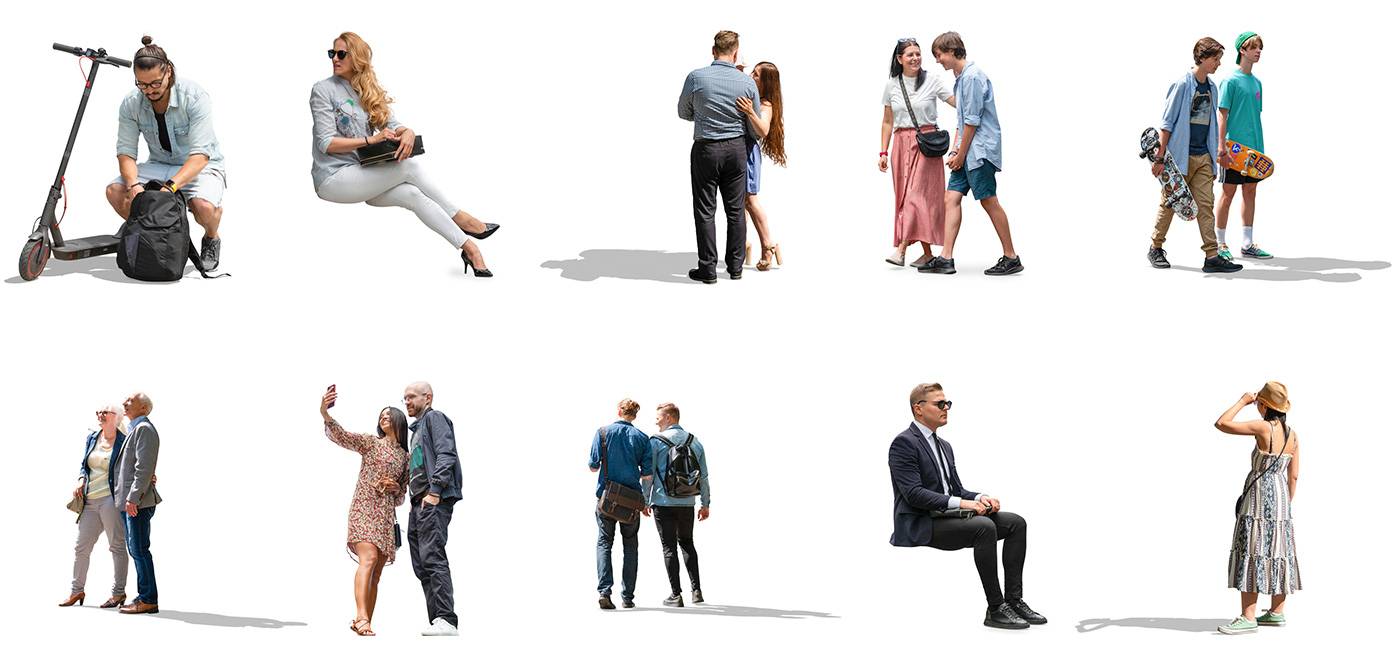










[Renderverse Collection – BIG ALBUM 2026]
.

CODE DISCOUNT: 3DMILI20
In spring, Holi transforms the country into a chaotic, technicolor canvas. Total strangers throw vibrant powder on one another, dissolving social barriers, castes, and age gaps for a single day of pure euphoria.
The lifestyle is changing, but the culture? It merely evolves. It remains a chaotic, colorful, loud, and deeply loving story. And it is one that never truly ends; it just makes space for the next chapter.
Indian food is often misunderstood as just "curry." In reality, Indian cuisine changes completely every 100 kilometers. The Science of Spices
What Indians wear tells a story about who they are, where they come from, and the weather outside. The Six Yards of Grace
In India, a neighbor is often closer than a distant relative. From borrowing a cup of sugar without a second thought to pooling resources for a local festival, the neighborhood functions as an extended safety net. It is a lifestyle where privacy is frequently traded for deep, unconditional human connection. 5. The Modern Shift: Traditions Meet Tech
So the next time you think of India, do not look for the Taj Mahal. Look for the broken scooter parked outside the temple, the line of women waiting for water from the community tap, and the monkey stealing a jar of Nutella from a fifth-floor balcony. Those are the real stories.
Long before the sun rises over the bustling metros, India awakens to a deeply ingrained spiritual and social rhythm. In Varanasi, the day begins at dawn along the ghats of the Ganges River. Thousands of devotees dip into the holy waters, their prayers echoing alongside the scent of incense and marigolds.
The philosophy that "a guest is God" means food is served with love and abundance, reflecting the deep-rooted Indian tradition of welcoming visitors. 4. Fashion and Art: Timeless Elegance
Aditya stood in the kitchen of his ancestral haveli in Jaipur, the scent of damp sandalwood incense mixing with the approaching storm outside. He was twenty-eight, a corporate lawyer in Mumbai, and entirely out of his depth. He was trying to wrap a modak —a sweet dumpling—into the perfect pleats his grandmother, his Dadi , had mastered over seventy years.
For generations, the cornerstone of Indian society was the joint family system, where three or four generations lived under a single roof. While rapid urbanization and career mobility have driven many young couples into nuclear households, the psychological thread of the joint family remains unbroken.
"In the cities, we use umbrellas," Aditya joked, grabbing a corner of the sheet.
Indian culture has its roots in the Indus Valley Civilization, which flourished around 4300-1300 BCE. This civilization is known for its sophisticated urban planning, architecture, and water management systems. The Vedic period (1500-500 BCE) saw the rise of Hinduism, with the composition of the Vedas, the oldest and most sacred Hindu scriptures.

Lime Exporter is a tool who allow you to export all textures and scene ready to work to LUMION.
This tool allow to convert Vray or Corona and Fstorm to Lumion.
It’s not a simplicity Exporter, it’s keep all the compatible settings… hindi xxx desi mms better
Export all the scene or only selected Object… See how many instance it’s necessary to convert…
Real time informations for the convertion state.
Keep your plugin up to date with the internal update fonction.
Drag and Drop LMInstaller.mse to your 3dsmax viewport and let’s the plugin install. In spring, Holi transforms the country into a
Uninstaller is include to remove all (Lime Exporter) files.
Connection internet is needed (Need Internet connection to initiate your Key license).
License are by month/year and unique by Computers/Users. It merely evolves
Compatible with 3dsmax 2014 up to 2021.
Compatible with Lumion up to 10.
enjoy !

In spring, Holi transforms the country into a chaotic, technicolor canvas. Total strangers throw vibrant powder on one another, dissolving social barriers, castes, and age gaps for a single day of pure euphoria.
The lifestyle is changing, but the culture? It merely evolves. It remains a chaotic, colorful, loud, and deeply loving story. And it is one that never truly ends; it just makes space for the next chapter.
Indian food is often misunderstood as just "curry." In reality, Indian cuisine changes completely every 100 kilometers. The Science of Spices
What Indians wear tells a story about who they are, where they come from, and the weather outside. The Six Yards of Grace
In India, a neighbor is often closer than a distant relative. From borrowing a cup of sugar without a second thought to pooling resources for a local festival, the neighborhood functions as an extended safety net. It is a lifestyle where privacy is frequently traded for deep, unconditional human connection. 5. The Modern Shift: Traditions Meet Tech
So the next time you think of India, do not look for the Taj Mahal. Look for the broken scooter parked outside the temple, the line of women waiting for water from the community tap, and the monkey stealing a jar of Nutella from a fifth-floor balcony. Those are the real stories.
Long before the sun rises over the bustling metros, India awakens to a deeply ingrained spiritual and social rhythm. In Varanasi, the day begins at dawn along the ghats of the Ganges River. Thousands of devotees dip into the holy waters, their prayers echoing alongside the scent of incense and marigolds.
The philosophy that "a guest is God" means food is served with love and abundance, reflecting the deep-rooted Indian tradition of welcoming visitors. 4. Fashion and Art: Timeless Elegance
Aditya stood in the kitchen of his ancestral haveli in Jaipur, the scent of damp sandalwood incense mixing with the approaching storm outside. He was twenty-eight, a corporate lawyer in Mumbai, and entirely out of his depth. He was trying to wrap a modak —a sweet dumpling—into the perfect pleats his grandmother, his Dadi , had mastered over seventy years.
For generations, the cornerstone of Indian society was the joint family system, where three or four generations lived under a single roof. While rapid urbanization and career mobility have driven many young couples into nuclear households, the psychological thread of the joint family remains unbroken.
"In the cities, we use umbrellas," Aditya joked, grabbing a corner of the sheet.
Indian culture has its roots in the Indus Valley Civilization, which flourished around 4300-1300 BCE. This civilization is known for its sophisticated urban planning, architecture, and water management systems. The Vedic period (1500-500 BCE) saw the rise of Hinduism, with the composition of the Vedas, the oldest and most sacred Hindu scriptures.


