








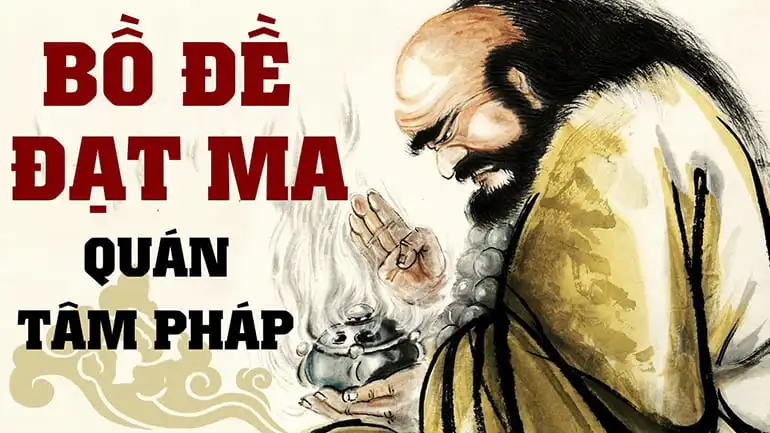
Bồ Đề Đạt Ma Quán Tâm Pháp
Memek Ibu Ibu New !!top!! (EXTENDED)
In recent years, the world has witnessed a significant shift in lifestyle and entertainment. With the rise of social media, people have become more connected, and their preferences have changed. Ibu, a modern and vibrant individual, has emerged as a symbol of this new lifestyle and entertainment.
For a decade, her "lifestyle" was a repeating loop of lunchboxes, laundry, and the specific, rhythmic sound of the vacuum cleaner. But when her youngest started university, the silence in the house didn't feel lonely—it felt like an . The Digital Debut
Entertainment in this new lifestyle is deeply intertwined with productivity. The afternoon sees the rise of the . memek ibu ibu new
Historically, an Ibu who spent too much time outside the house faced social stigma. Today, the narrative has flipped. Mental health awareness has taught the modern Ibu that "a happy mom equals a happy family."
Historically, a mother’s entertainment was inherently social or familial. Today, the new lifestyle emphasizes individuation. The concept of " me-time " has become a sacred, marketable commodity. This manifests in the explosion of female-only co-working spaces, café culture, and boutique fitness centers like pilates and barre studios in urban hubs like Jakarta, Surabaya, and Bandung. In recent years, the world has witnessed a
As we navigate 2026, the new lifestyle of Indonesian mothers is defined by convenience, connectivity, and a strong emphasis on personal well-being alongside family care. 1. Digital Lifestyle: Beyond Social Media Scrolling
The "Ibu-Ibu New Lifestyle and Entertainment" trend is not a fleeting fad; it is a permanent cultural evolution. Brands, media houses, and tech platforms that continue to view mothers through a purely domestic lens will miss out on one of the most lucrative and loyal consumer demographics in the market. Today's Ibu-Ibu are tech-savvy, health-conscious, community-driven, and unapologetic about prioritizing their own happiness and entertainment. For a decade, her "lifestyle" was a repeating
Should we narrow the focus to a (like Indonesia or Malaysia)?