In the online study community, the search term "Russian Physics Olympiad problems PDF hot" trends for a reason. These documents are legendary. But why are they so sought after, and where can you find them without getting lost in the internet void?
: Frequently found on Scribd and other academic PDF repositories. I.E. Irodov Problems in General Physics
In the last decade, the IPhO has shifted toward longer, more theoretical problems—exactly the style Russia has perfected since the 1960s. Coaches now explicitly recommend Soviet-era problem books to their gold-medal hopefuls. russian physics olympiad problems pdf hot
Russian physics problems are fundamentally different from typical high school physics questions. Instead of relying on rote memorization or straightforward formula plugging, they test a student's intuitive grasp of physical reality.
If you are looking for the "gold standard" PDFs to sharpen your skills, the most iconic source is . This collection is widely used by top-tier students to master the unique "Russian style" of problem-solving. 📜 Where to Find the Problems In the online study community, the search term
The Russian Physics Olympiad (RPhO) is legendary for its difficulty, pushing students beyond standard school curriculum into the realms of advanced physical intuition and complex calculus. If you are looking for the "hottest" RPhO problems and PDF resources to sharpen your skills, this guide highlights where to find them and how to tackle their unique style. Why Russian Physics Olympiad Problems are Different
Struggle with a single problem for at least 45 minutes before looking at the solution. Analyze the limiting cases (e.g., what happens if a mass approaches zero or infinity?). : Frequently found on Scribd and other academic
Problems involving Coriolis and centrifugal forces in highly complex, rotating systems.
Four-momentum conservation in high-energy particle physics.
As they explored the PDF, they realized that the mysterious string of characters, "7 11 23 42," was, in fact, a cipher, leading to a final, bonus problem. The solution to this problem revealed a surprising connection between the Russian physics olympiads and a secret research project, focused on developing innovative technologies inspired by the olympiad problems.
A typical olympiad, like the , is a multi-stage affair:
New Version 26.1: Go Speed Racer Go
New Version 25.12: Higher & Higher
New Version 25.10: Please Mr. Please
New Version 25.07: Hot Hot Hot
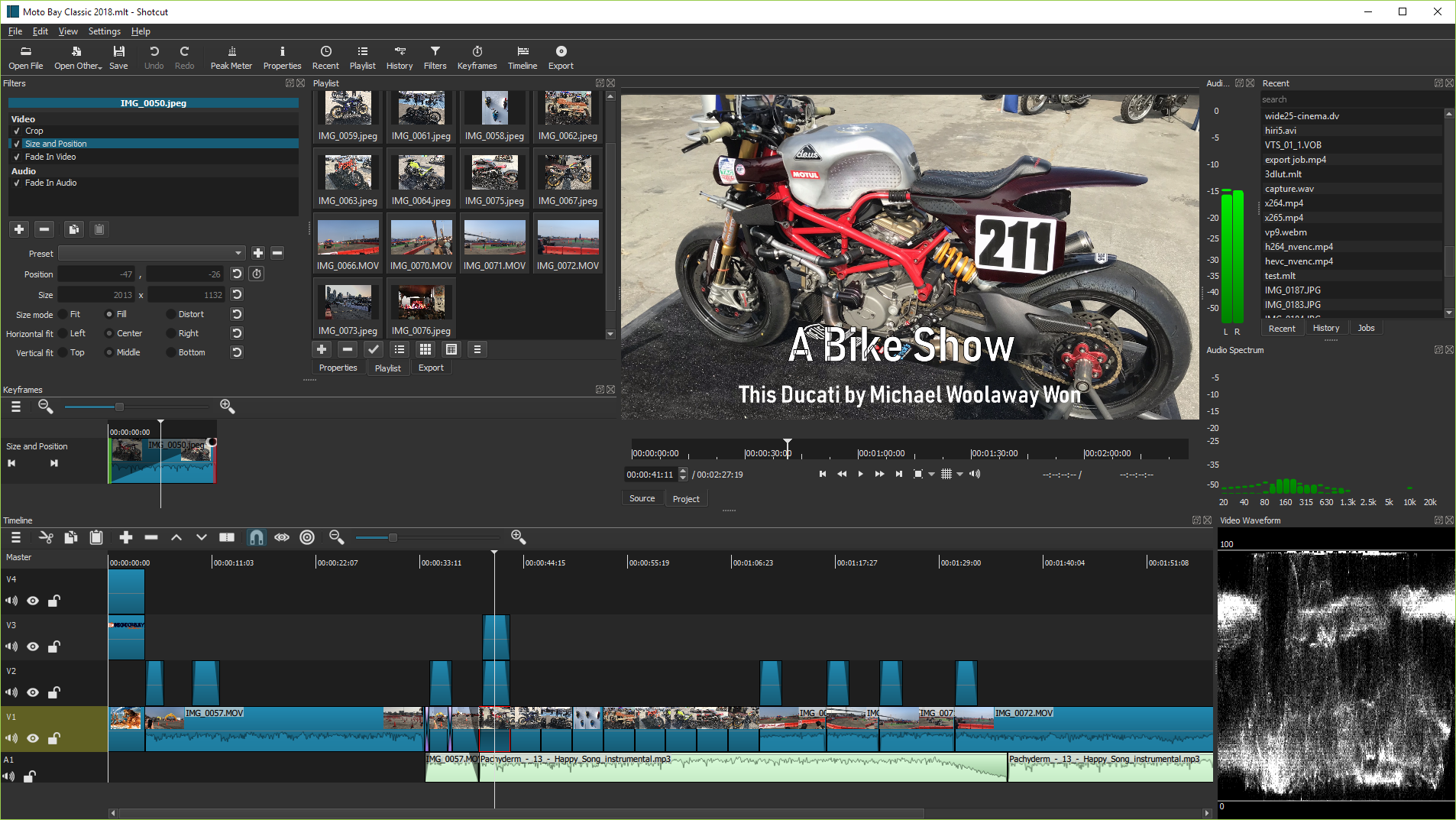
Shotcut was originally conceived in November, 2004 by Charlie Yates, an MLT co-founder and the original lead developer (see the original website). The current version of Shotcut is a complete rewrite by Dan Dennedy, another MLT co-founder and its current lead. Dan wanted to create a new editor based on MLT and he chose to reuse the Shotcut name since he liked it so much. He wanted to make something to exercise the new cross-platform capabilities of MLT especially in conjunction with the WebVfx and Movit plugins.
Lead Developer of Shotcut and MLT