The Dreamers 2003 Uncut Upd =link=
When the twins' parents leave for a month-long vacation, they invite Matthew to move into their sprawling, cluttered apartment. What follows is an intense psychological and physical isolation:
Set against the backdrop of the 1968 Paris student riots, Bernardo Bertolucci’s The Dreamers (2003) remains one of the most provocative "love letters" to cinema ever filmed.
"The Dreamers" was produced under a contractual stipulation that the film receive an R-rating in America. However, Bertolucci's uncut version—featuring full frontal nudity and graphic sexual content—would undoubtedly have earned an NC-17 rating, a designation major studios actively avoided because it made theatrical distribution nearly impossible. Speaking at the Venice Film Festival, Bertolucci expressed his fury at the proposed cuts. "Some people obviously think the American public is immature," he said. "The film risks coming out in the United States amputated and mutilated". the dreamers 2003 uncut upd
The twins invite Matthew to stay at their parents' opulent apartment while their parents are away. What ensues is a hothouse drama where the boundaries between film trivia, political debate, and sexual experimentation dissolve. The trio creates a hermetic world, playing games of cinematic identification that carry increasingly high stakes—often resulting in the shedding of clothes and inhibitions.
For two decades, The Dreamers has been a litmus test for cinematic maturity. If you saw the R-rated cut on DVD in 2004, you saw a trailer for a dangerous movie. If you tracked down a fuzzy imported PAL disc, you saw the shadow of a masterpiece. When the twins' parents leave for a month-long
For those seeking more information about this film, further details are available regarding: The
For collectors and preservationists, here are the key specs for the definitive uncut edition: "The film risks coming out in the United
More broadly, the film stands as a meditation on cinema itself, filled with homages to French New Wave classics and featuring a trio of characters who define themselves through their love of movies. The uncut version's explicit content is not gratuitous—it is integral to Bertolucci's exploration of sexuality, taboo, and the boundary between art and life.
The restoration was supervised by the film's original director of photography, Fabio Cianchetti, ensuring that the visual presentation faithfully represents the filmmakers' intentions.
Other Books in Series
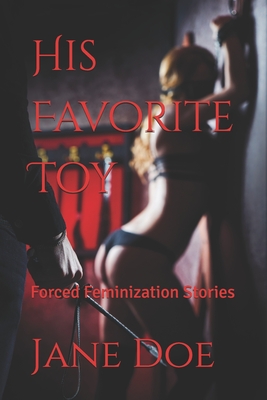
His Favorite Toy: Forced Feminization Stories
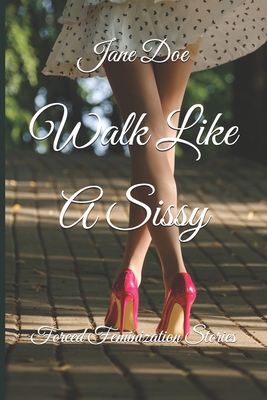
Walk Like A Sissy: Forced Feminization Stories
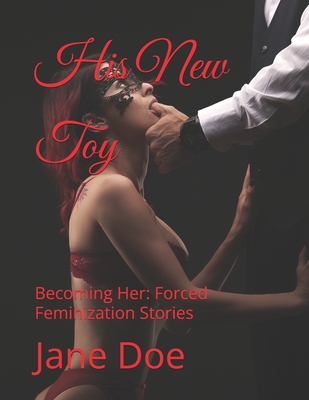
His New Toy: Forced Feminization Stories
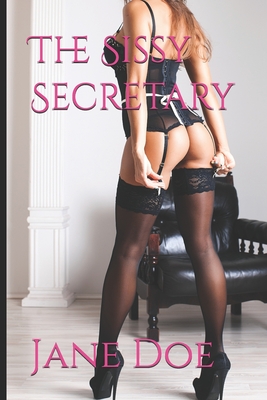
The Sissy Secretary (Forced Feminization Stories)
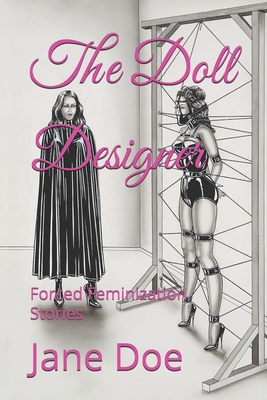
The Doll Designer: Forced Feminization Stories
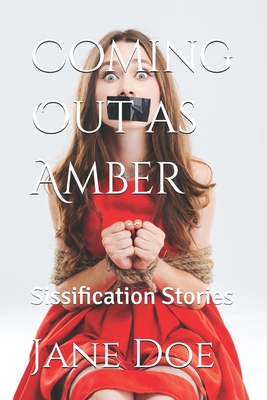
Coming Out as Amber: Forced Feminization Stories
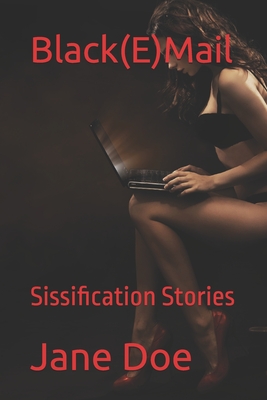
Black(E)Mail: Forced Feminization Stories

Life in Her Heels (Forced Feminization Stories)
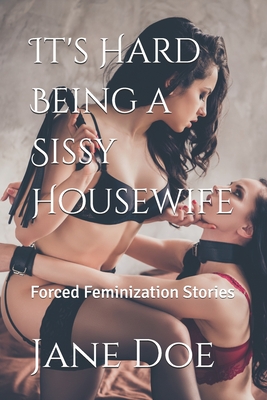
It's Hard Being a Sissy Housewife: Forced Feminization Stories
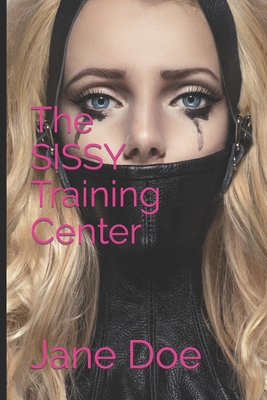
The SISSY Training Center (Forced Feminization Stories)
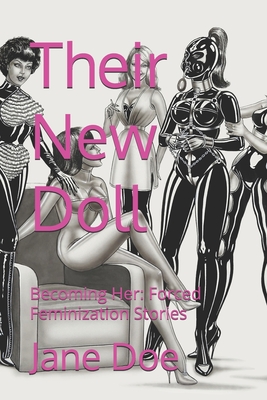
Their New Doll: Forced Feminization Stories
Sissy in Training: Forced Feminization Stories
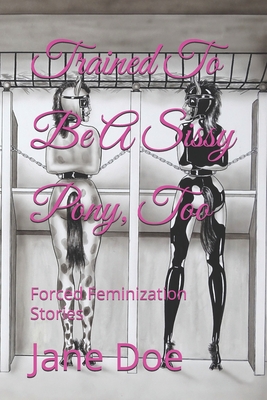
Trained To Be A Sissy Pony: Forced Feminization Stories
The Sissy Hypno Witch: Forced Feminization Stories
Maid to be Mine: Forced Feminization Stories
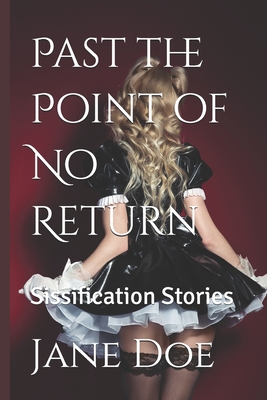
Past the Point of No Return: Forced Feminization Stories
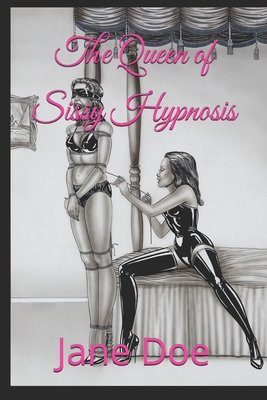
The Queen of Sissy Hypnosis (Forced Feminization Stories)
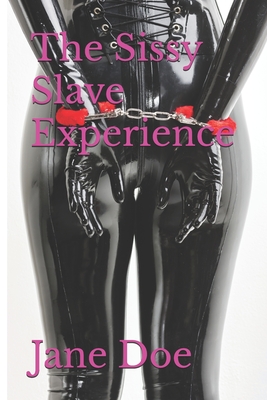
The Sissy Slave Experience (Forced Feminization Stories)