App Screenshots
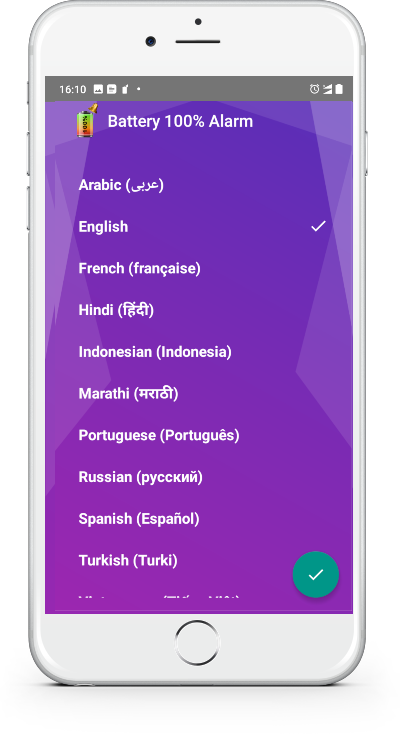
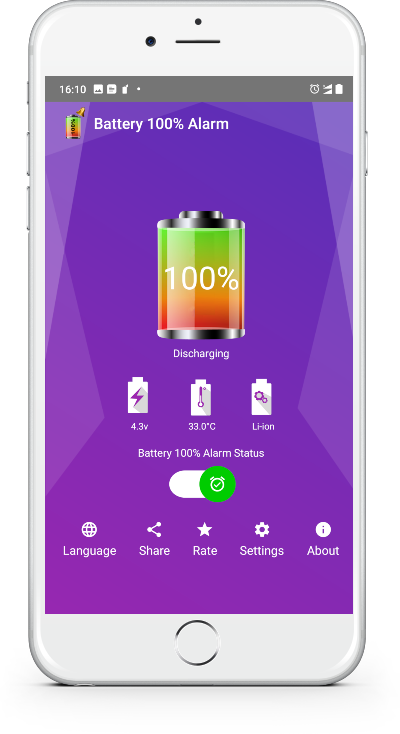
Battery 100% alarm is absolutely easy to use for any user with stunning screens and simple UI
Why does a phrase combining "Toni Sweets," "American history," and "Nat Turner hot" generate interest in the digital age? It speaks to how modern audiences consume and recontextualize history.
Long before modern bakeries and commercial confectionery brands took shape, enslaved African Americans transformed meager rations into culinary triumphs. Forced to work the sugarcane fields of the Deep South and the tobacco plantations of Virginia, Black cooks became the architects of what the world now recognizes as Southern cuisine.
"Toni Sweets a brief american history with nat turner hot" is a prime example of how digital content creators leverage, reinterpret, and often sensationalize historical figures for contemporary audiences. While Nat Turner remains a significant figure in American history, the "hot" adaptation reflects a blend of digital entertainment and pop culture, creating a new, digital-age narrative. If you want to know more, I can help you:
: Educational resources on the 1831 insurrection and its impact on American laws. What specific information or detail
Exceptional bakers and confectioners frequently negotiated to sell their surplus goods, using the proceeds to purchase freedom for themselves or family members.
On August 21, 1831, Turner and a small group of fellow slaves began a rebellion that would last for two days. They moved from farm to farm, freeing slaves and killing the white inhabitants they encountered. In the end, approximately 60 white men, women, and children were dead. The rebellion sent a shockwave of terror through the South, leading to brutal retaliation against Black people, both free and enslaved. Turner evaded capture for over a month before being found and hanged on November 11, 1831.
Toni's Sweets is more than just a dessert shop; it's a community hub for history enthusiasts and foodies alike. Toni regularly hosts events, workshops, and lectures that bring people together to discuss American history and its relevance to contemporary society.
Her "brief American history" runs roughly from 1955 to 1985. She sold milkshakes, hairspray, and a particular kind of whiteness that was aggressively cheerful. Toni’s world was one where the only rebellion was whether to wear penny loafers or saddle shoes. Her sweetness was a sedative. And her cultural descendants—whether the actual "Toni" dolls, the Sweet Valley High series, or the explosion of candy-branded merchandise—taught generations that America was fundamentally a nice, sweet place.
Inspired by Turner's courage and conviction, Toni decided to create a dessert shop that would not only satisfy people's sweet tooth but also educate them about American history. She wanted to make history accessible and enjoyable, much like her sweets.
The project by Toni Sweets uses this historical backdrop—the "heat" of Turner's radical resistance—to explore themes of Black identity, struggle, and the visceral memory of slavery in the American consciousness.
Watch the trailer for detail understaning of the app features
Battery 100% alarm is absolutely easy to use for any user with stunning screens and simple UI














Why does a phrase combining "Toni Sweets," "American history," and "Nat Turner hot" generate interest in the digital age? It speaks to how modern audiences consume and recontextualize history.
Long before modern bakeries and commercial confectionery brands took shape, enslaved African Americans transformed meager rations into culinary triumphs. Forced to work the sugarcane fields of the Deep South and the tobacco plantations of Virginia, Black cooks became the architects of what the world now recognizes as Southern cuisine.
"Toni Sweets a brief american history with nat turner hot" is a prime example of how digital content creators leverage, reinterpret, and often sensationalize historical figures for contemporary audiences. While Nat Turner remains a significant figure in American history, the "hot" adaptation reflects a blend of digital entertainment and pop culture, creating a new, digital-age narrative. If you want to know more, I can help you: toni sweets a brief american history with nat turner hot
: Educational resources on the 1831 insurrection and its impact on American laws. What specific information or detail
Exceptional bakers and confectioners frequently negotiated to sell their surplus goods, using the proceeds to purchase freedom for themselves or family members. Why does a phrase combining "Toni Sweets," "American
On August 21, 1831, Turner and a small group of fellow slaves began a rebellion that would last for two days. They moved from farm to farm, freeing slaves and killing the white inhabitants they encountered. In the end, approximately 60 white men, women, and children were dead. The rebellion sent a shockwave of terror through the South, leading to brutal retaliation against Black people, both free and enslaved. Turner evaded capture for over a month before being found and hanged on November 11, 1831.
Toni's Sweets is more than just a dessert shop; it's a community hub for history enthusiasts and foodies alike. Toni regularly hosts events, workshops, and lectures that bring people together to discuss American history and its relevance to contemporary society. Forced to work the sugarcane fields of the
Her "brief American history" runs roughly from 1955 to 1985. She sold milkshakes, hairspray, and a particular kind of whiteness that was aggressively cheerful. Toni’s world was one where the only rebellion was whether to wear penny loafers or saddle shoes. Her sweetness was a sedative. And her cultural descendants—whether the actual "Toni" dolls, the Sweet Valley High series, or the explosion of candy-branded merchandise—taught generations that America was fundamentally a nice, sweet place.
Inspired by Turner's courage and conviction, Toni decided to create a dessert shop that would not only satisfy people's sweet tooth but also educate them about American history. She wanted to make history accessible and enjoyable, much like her sweets.
The project by Toni Sweets uses this historical backdrop—the "heat" of Turner's radical resistance—to explore themes of Black identity, struggle, and the visceral memory of slavery in the American consciousness.