Many IP cameras (network-connected security or web cameras) have a built-in web server. This server hosts a basic web interface that allows you to view the live feed and change settings using a standard web browser. This interface is often made up of HTML ( .htm , .html ) or SSI (Server Side Includes, .shtml ) files [3†L34-L36]. index.shtml is a common default page name for the live view or status page of an brand network camera, a major manufacturer of IP cameras [5†L29-L36]. Many other manufacturers use similar default filenames [1†L1-L41]. By searching for that filename, you can quickly find hundreds or thousands of cameras whose web interface has been left accessible from the public internet [0†L15-L17].
When a user navigates to an unauthenticated view index.shtml page, a specific technical sequence occurs:
Disable Universal Plug and Play (UPnP) on your router and camera. UPnP often opens ports to the internet automatically without asking you. view index shtml camera free
"view index shtml camera free" appears to combine terms related to web directories (index.shtml), camera device feeds, and free access. This examination covers probable meanings, technical background, common use cases, how such systems work, legal and ethical considerations, security and privacy issues, methods and tools for discovery, and recommendations for responsible handling.
On the more technical end of the spectrum, tools like and ShodanCameraFinder are designed for OSINT researchers, educators, and digital explorers. Many IP cameras (network-connected security or web cameras)
For those who want to view "free" cameras ethically, consider these platforms:
Exposed cameras often stream live footage of private residences, backyards, living rooms, baby nurseries, and corporate offices. When a user navigates to an unauthenticated view index
Try https://[IP_ADDRESS]/index.shtml instead of http:// .
The query "view index shtml camera free" opens a small window into the vast and often unprotected landscape of internet-connected devices. It's a fascinating glimpse into the world of IoT (Internet of Things) security and a powerful reminder of how easily private systems can be exposed. Use this knowledge to , to learn about cybersecurity, or to explore the legitimate world of public webcams, but always with respect for privacy and the law.
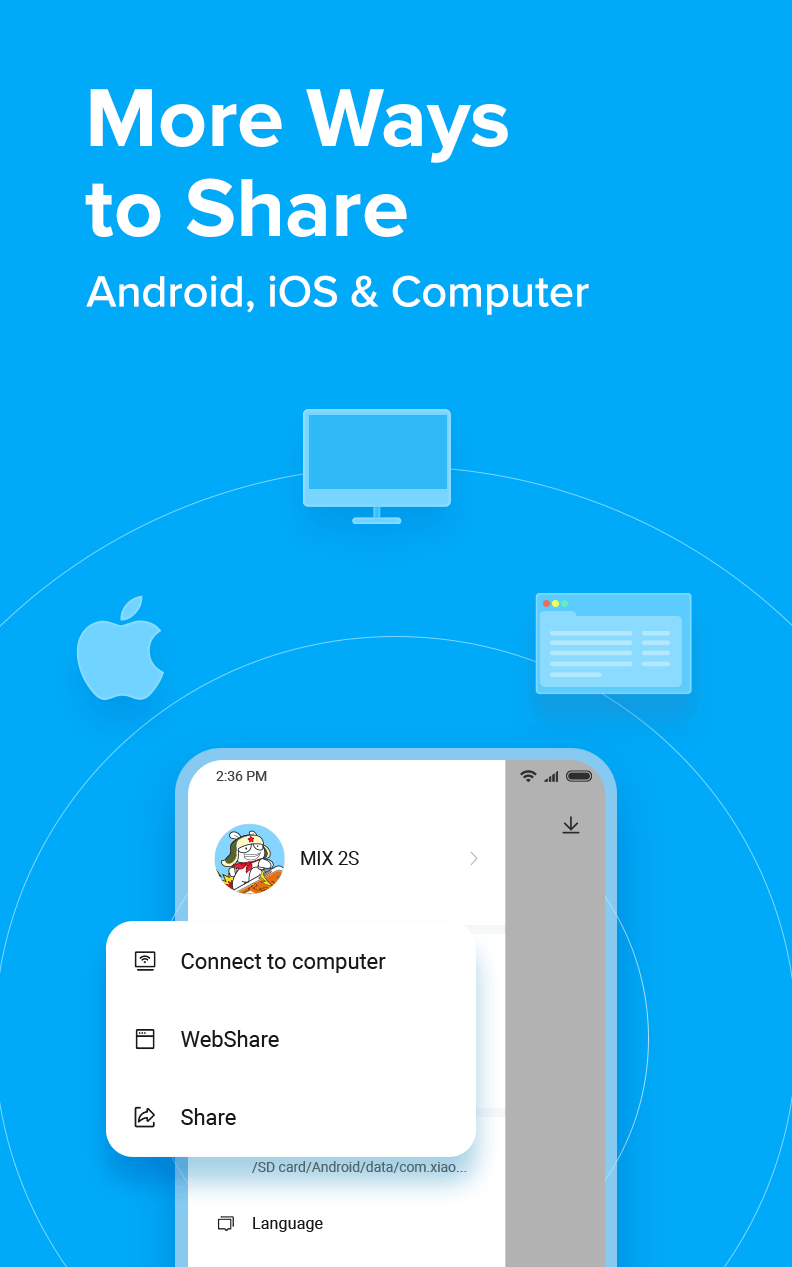
With ShareMe, transferring files between devices has never been easier. The app, available for Android and iOS devices as well as PCs, provides a straightforward and efficient way to share data across platforms. Here's how you can use ShareMe:
To begin, download the ShareMe APK from a trusted source or our official website. Alternatively, you can download ShareMe from the Google Play Store or Apple App Store. For PC download options, look for ShareMe PC download links.
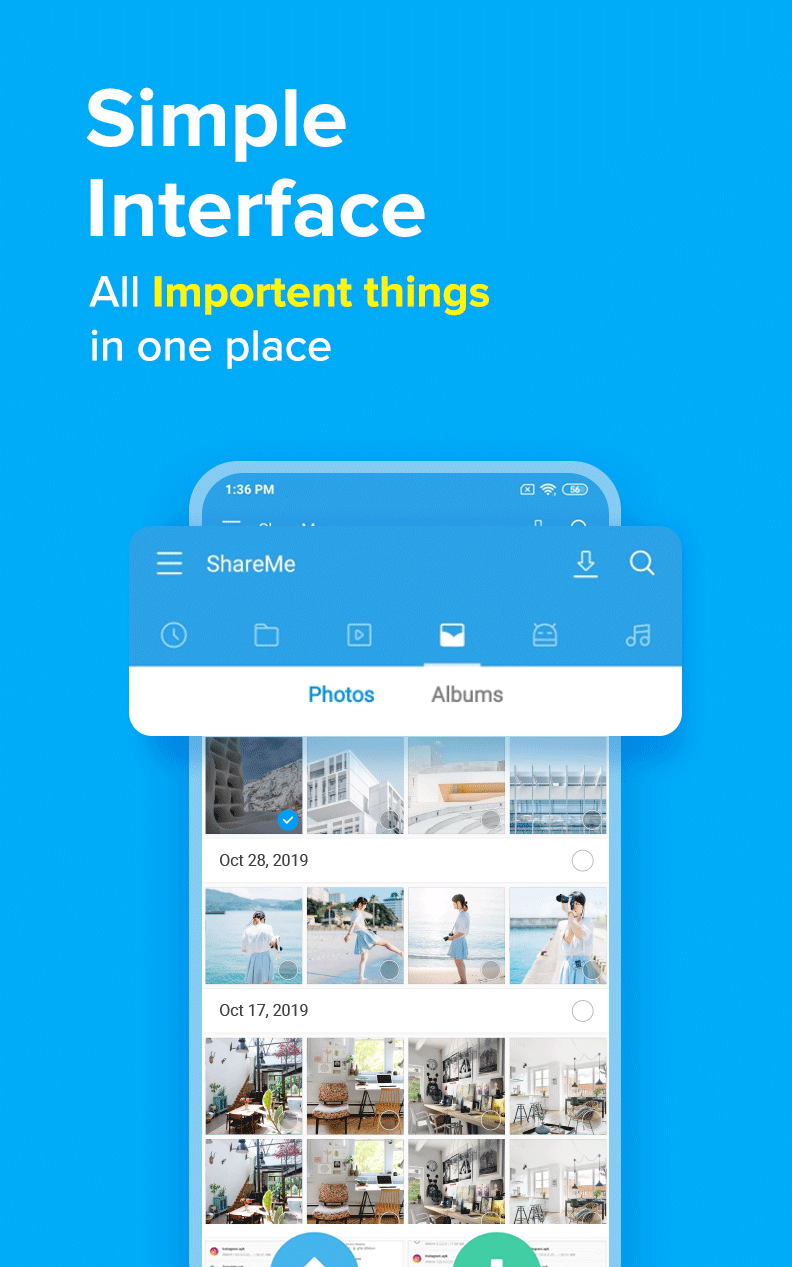
After the successful installation of ShareMe on your device, open the app. You will see an intuitive interface which both beginners and pros will find easy to navigate. You will see a 'Send' and 'Receive' option on the main screen.
- To send a file, tap on 'Send'. You will then be able to choose the files you want to share. ShareMe allows large file transfer, including media files and apps. After selecting your files, the app will start searching for nearby devices to pair.
- To receive a file, simply click on 'Receive' and wait for the sender to select you from their list of nearby devices.
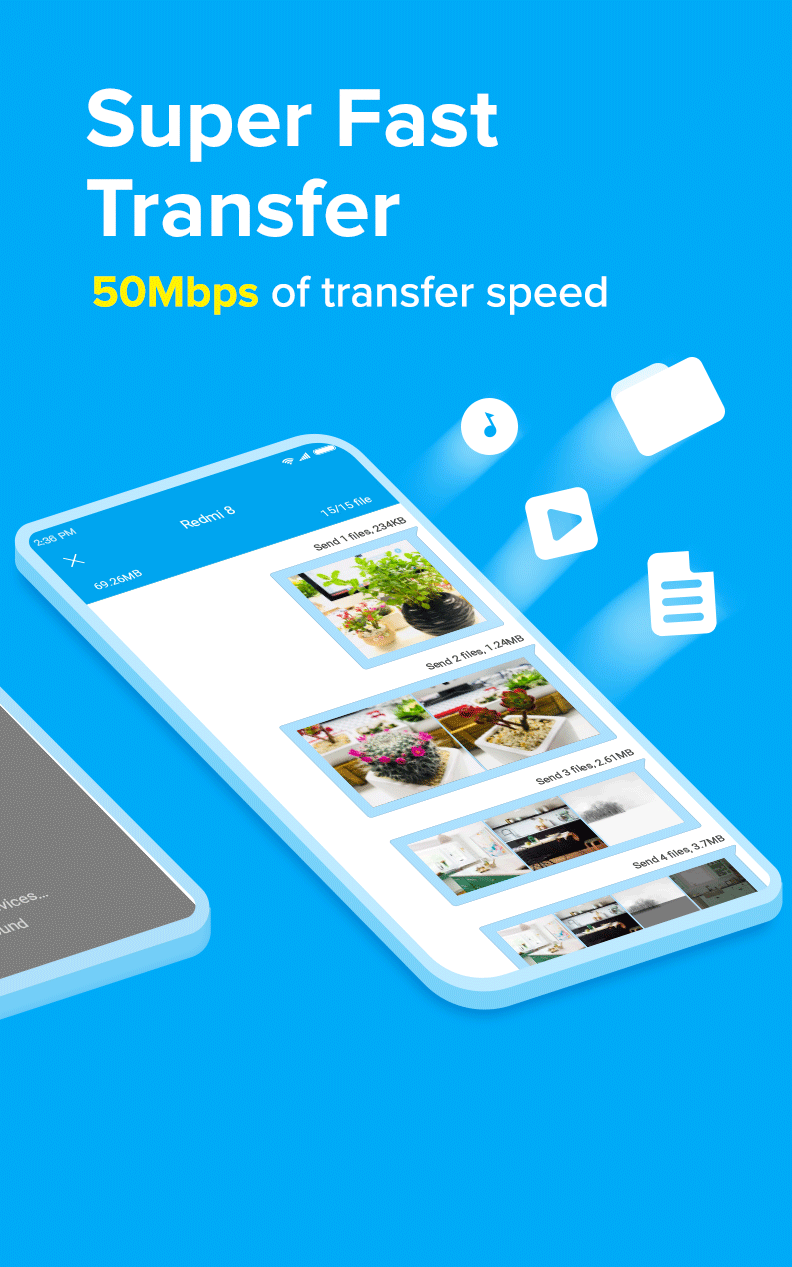
ShareMe offers offline file sharing, which means you don't need a web connection to transfer your files. It also performs fast file transfer, ensuring your data is sent quickly and efficiently, regardless of its size. You don't need to worry about your data's security as ShareMe provides secure file sharing. All your shared data remains only with you and the receiver, away from prying eyes on the internet.
After the completion of the file transfer, you can easily check the history tab to see all your sent and received files. This makes ShareMe both a file sharing app and a data transfer software.
Credits for ShareMe App Developers
ShareMe is developed by Xiaomi Inc., a top-tier technology company known for its user-friendly apps and devices. The diligent team at Xiaomi deserves appreciation for their consistent efforts in shaping ShareMe into an efficient data transfer software. As a result, ShareMe has garnered a large user base who find value in its fast, secure, and easy file sharing capabilities.
Troubleshooting Shareme Download Download
Check Your Internet Connection
Ensure you have a stable internet connection. A weak or unstable connection can cause the Shareme app to malfunction. Try connecting to a different Wi-Fi network or use your mobile data to see if the issue persists.
Update the Shareme App
Check if there's an update available for the Shareme app. Developers often release updates to fix bugs and improve app performance.. Go to the App Store or Google Play Store, search for the Shareme app, and tap "Update" if an update is available.
Clear the Shareme App Cache
Clearing the app cache can help resolve temporary glitches and errors.. On Android devices, go to "Settings" > "Apps" > "Shareme" > "Storage" > "Clear Cache." On iOS devices, you can't directly clear an app's cache, but you can try reinstalling the app.
Reinstall the Shareme App
If clearing the cache doesn't help, try reinstalling the Shareme app. Uninstall the app from your device and then download and install it again from the App Store or Google Play Store.
Check for Server Issues
Sometimes, Shareme's servers may experience technical difficulties, causing the app to malfunction. Check Shareme's official website or social media pages to see if there are any reported server issues.
View More